Beacon House Revival: A 1900 House Reimagined for Contemporary living
Location: Beacon, New York
Project Type: whole-house reconstruction
Scope: addition, interior gut renovation, reconfigured floor plans, significant exterior redesign, added bathrooms, relocated stairs, new kitchen
Project Overview:
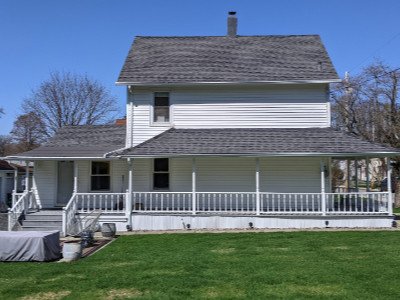
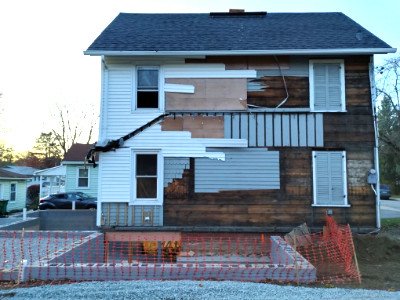
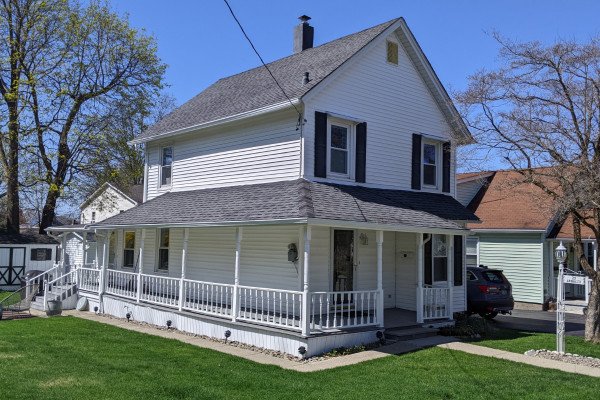
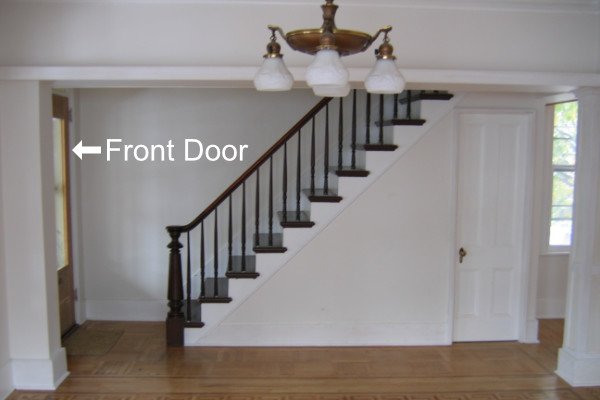
The house was built in 1900 and an unfortunate addition was added to the rear of the house sometime afterwards. The interior and exterior were worn out, awkwardly layed out, featured tired finishes and a typical “Beacon: Staircase.” The living room walls were lined with mirrors, and the floor was shag carpeting. There were few windows overall and only three windows on the southeast wall that faces Mount Beacon.
Design Goals:
- Add space on the first floor for: living room, and larger kitchen and mudroom
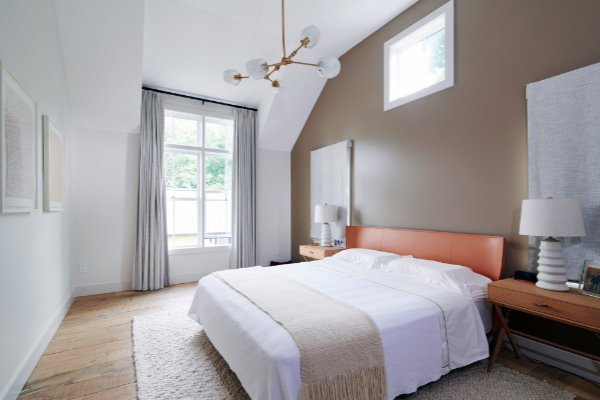
- Add space on the second floor for a master bedroom suite
- Improve the quality of interior space, create spaces that uplift the human condition
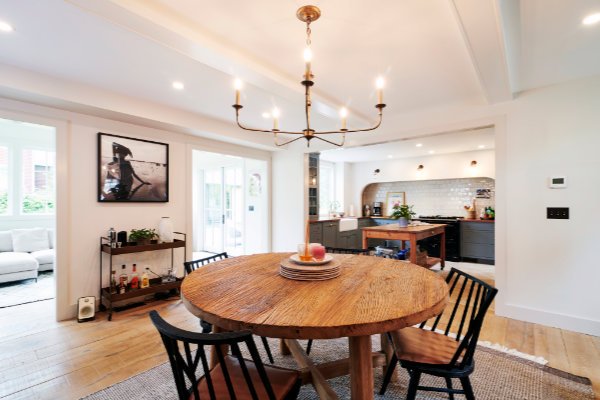
- Create open, connected living/kitchen/dining core
- Bring natural light into interior spaces
- Connect interior spaces to seasonal view of Mount Beacon
- Improve energy performance and upgrade electrical system
- Add architectural character without losing the home’s modest scale and improve curb appeal
- Respect the character of the neighborhood
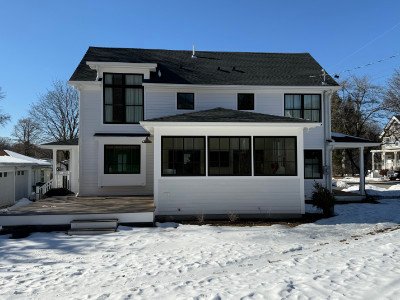
The solution was a dramatic full-house transformation. The house was reimagined into a bright, and highly functional home designed for contemporary Hudson Valley living.
Site and Context
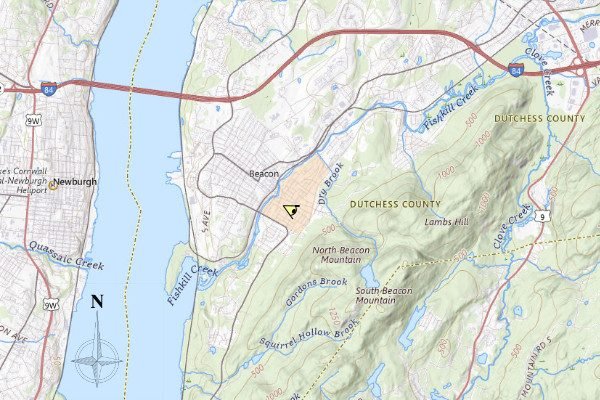
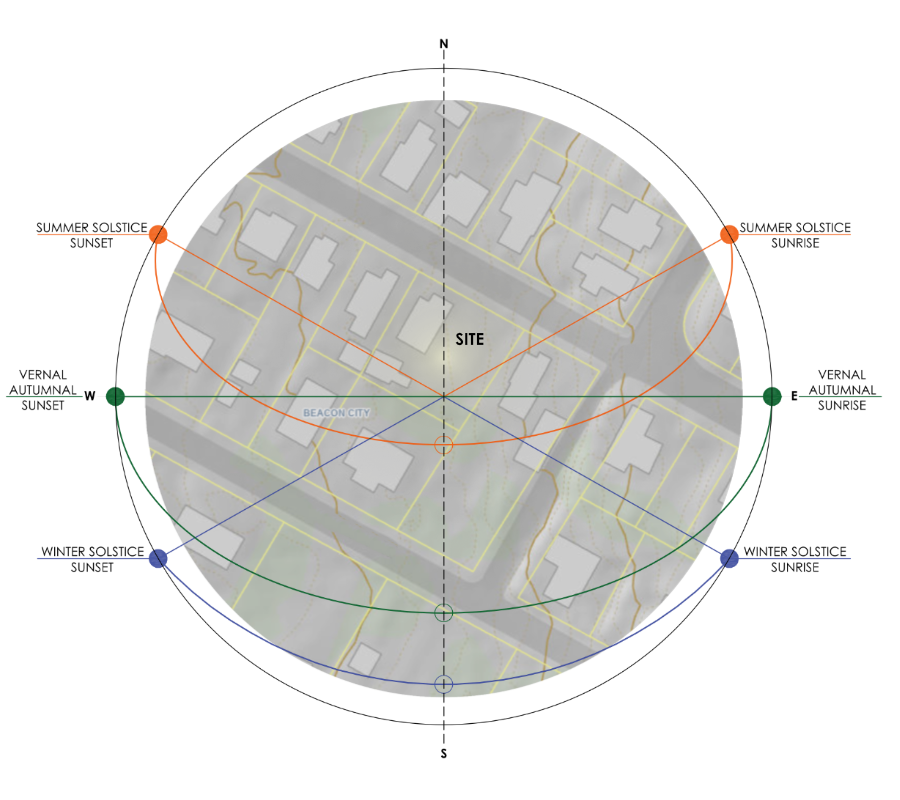
On any project (addition, renovation, or new build) it is important to understand the natural and human-made context. The location of a building influences design decisions. Beacon once was a factory town and most of the houses were built before 1920. The city is bound by the Hudson River to the West, Interstate 84 to the North and the Fishkill Ridge to the South and East. The street grid is not aligned with the cardinal directions. This house, like most of the houses in Beacon, receives direct solar exposure on the Southeast and Southwest facades.
Challenges:
Most of the houses in Beacon are small by today’s standards; many are under 1800 square feet. The lots are small as well. This transformation started with a total of 1350 square feet. The zoning ordinances were written after most of the houses were built. Needing variances is commonplace. The house as it was built was nonconforming to the new-ish zoning ordinances. The southwest side of the house was only ten feet from the property line; the required setback is fifteen feet.
The southeast side of the house had very few windows. There was a dilapidated, very narrow porch that ran along the length of the southeast wall. The typical Beacon staircase ran along the southeast wall as well. The typical Beacon Staircase is a straight run stair that starts about forty-two inches in from the front door. The view to Mount Beacon and direct solar exposure was hindered by the porch and staircase.
Big Design Decisions Restructuring the Interior: key moves included
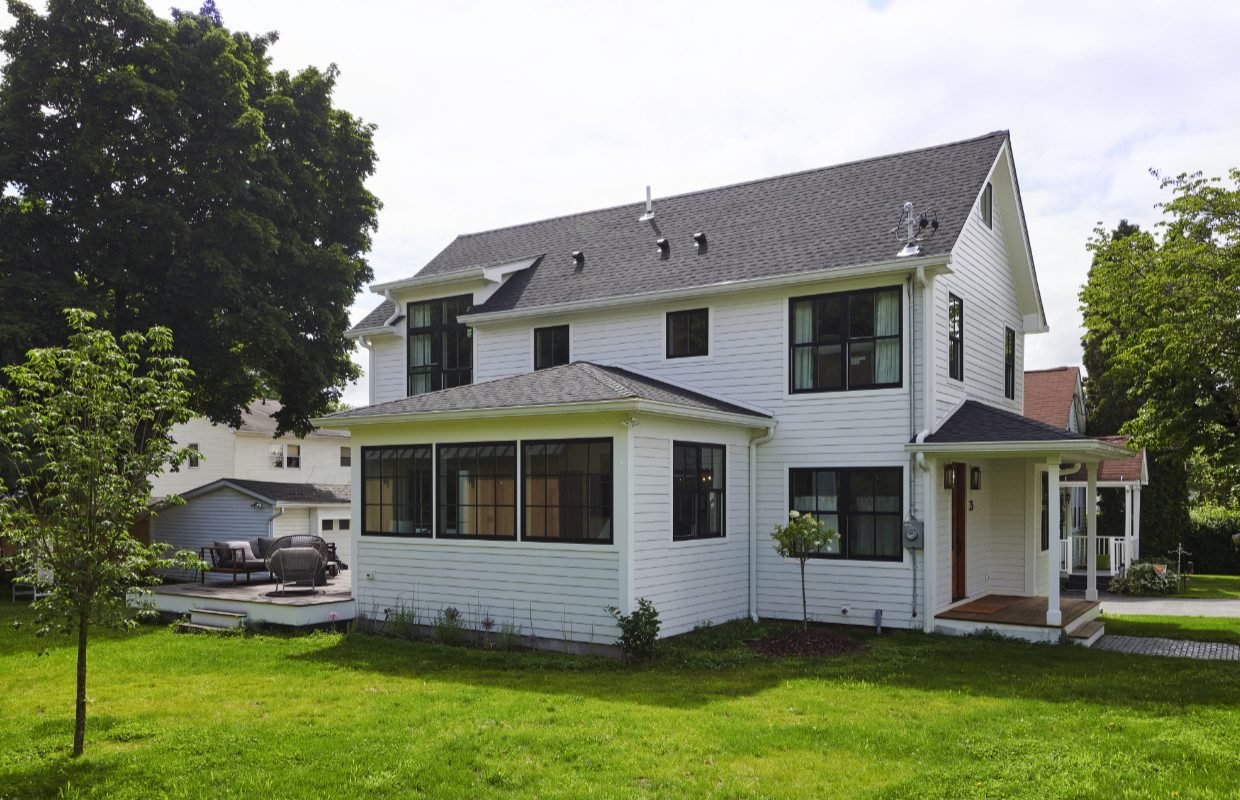
- Remove the unfortunate addition and the rear of the house (southwest side) and build a two story addition from ground up. This would remove the poorly designed and constructed part of the house. Since this was at the rear of the house, the new addition would have minimal impact on the streetscape. However, this meant we were adding space (second floor) too close to the property line, so a variance was required.
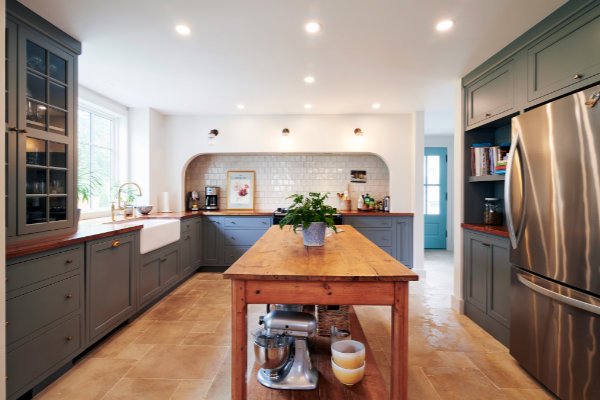
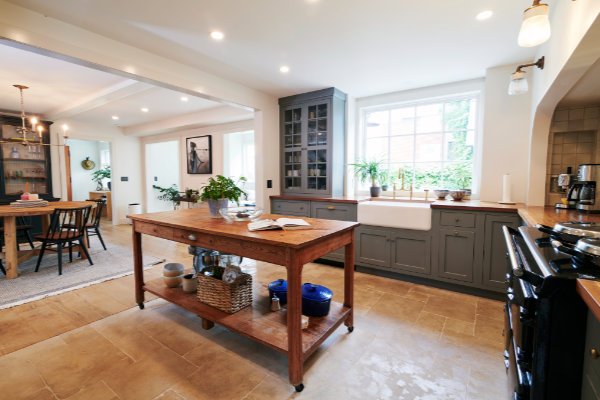
- The first-floor addition to the rear of the house included a new kitchen, mudroom and powder room.
- The second-floor addition on the rear of the house included the master bedroom.
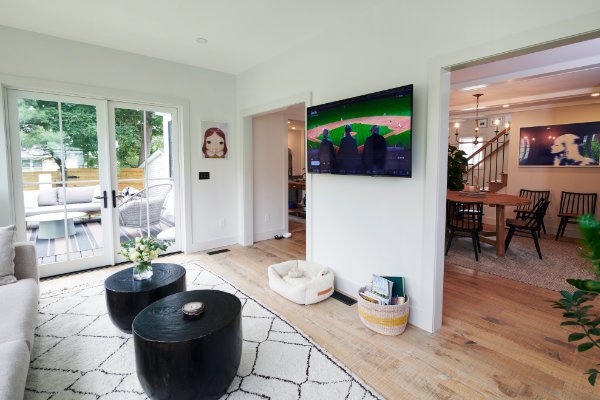
- A single-story addition on the southeast side of the house included a new living room.
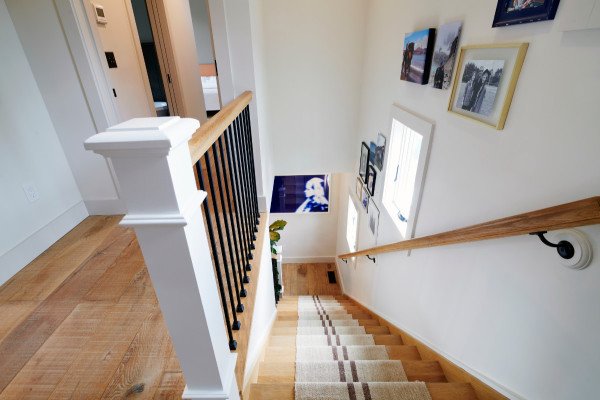
- Relocating the staircase to southwest wall of the house allowed for the creation of a roomy, daylit entry foyer.
- The existing living room became a home office, which buffered the public spaces of the first floor from the street view.
- The dining room, for the most part, stayed in place.
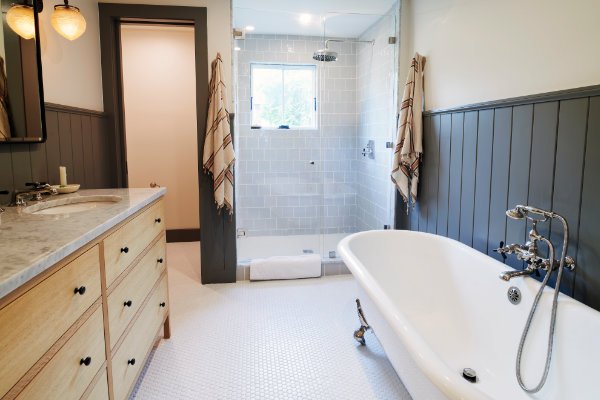
- The existing portion of the second floor was completely reconfigured to include a bedroom with closets, bathroom, utility closet with laundry, and the master bathroom.
- The existing boiler and chimney were removed to free up space on the first and second floors




Transforming the Exterior:
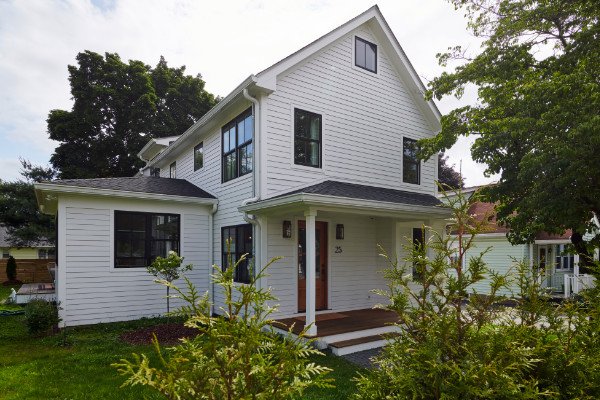
- Stylistically simple, in-keeping with the modest houses in the neighborhood
- New Front Entry Porch
- Living Room single story addition on southeast side of the house
- Two story addition on the rear house
- New Porch entry on the back of the house
- Updated window pattern introduces new rhythm on the exterior facades
- Much greater glazing to wall ratio on the southeast side, allowing natural light to flood interior spaces
- Layers of siding were removed and replaced with Hardie-plank clapboard siding
- All exterior trim, corner boards, soffits fascias and rakes were replaced
Interior Material and Finishes:
- A simple palette for enduring timelessness and avoiding trends
- Rustic wood floors
- White walls and interior trim
- Wood kitchen counter tops
- Earth tone tile
Energy & Performance Upgrades: to bring the home to today’s standards:
- Meets the requirements of the NYS “Stretch Energy Code:
- New spray foam insulation
- New Marvin windows
- High efficiency Fujitsu air source heat pumps for heating and cooling, this made it possible to remove the existing oil-fire boiler, chimney and radiators
- HRV air exchanger
- Durable long-lasting materials
- Structural reinforcement of existing floors and beams
The Result:
The “Beacon House Revival” demonstrates how a dated structure can be transformed into an inspiring living environment that matches the requirements of modern living while staying true to the Hudson Valley’s architectural character. This project also demonstrates how rebuilding an old house can be environmentally friendly. What is more sustainable than refurbishing an existing structure? No new land needs to be developed, and no new infrastructure added. Simple, sustainable strategies such as paying attention to the sun’s path and allowing it to flood into interior spaces both saves electricity and enhances the quality of human life. Careful space planning, paying attention to details and using durable beautiful materials can create buildings that are loved and long lasting. This approach hopefully prevents the need for significant reconstruction in the future and ultimately preserves resources. The careful decisions made throughout the design and building processes achieved the goals set out for this project.
The homeowner now enjoys:
- Brighter, healthier living spaces
- A better connection to Nature
- Improved layout for living and entertaining
- An energy efficient house
- Dramatically enhanced street presence
- Home that feels elevated and enduring
Interior photographs of the revitalized house: